
The Timeless Spirit of Traditional Wrestling
Across Pakistan, traditional wrestling is much more than a physical contest. It represents strength, discipline, courage, honor, and a connection to generations of sporting heritage. In villages, towns, and local sporting grounds, wrestling competitions continue to bring athletes and communities together, creating an atmosphere where skill, determination, and tradition take center stage.
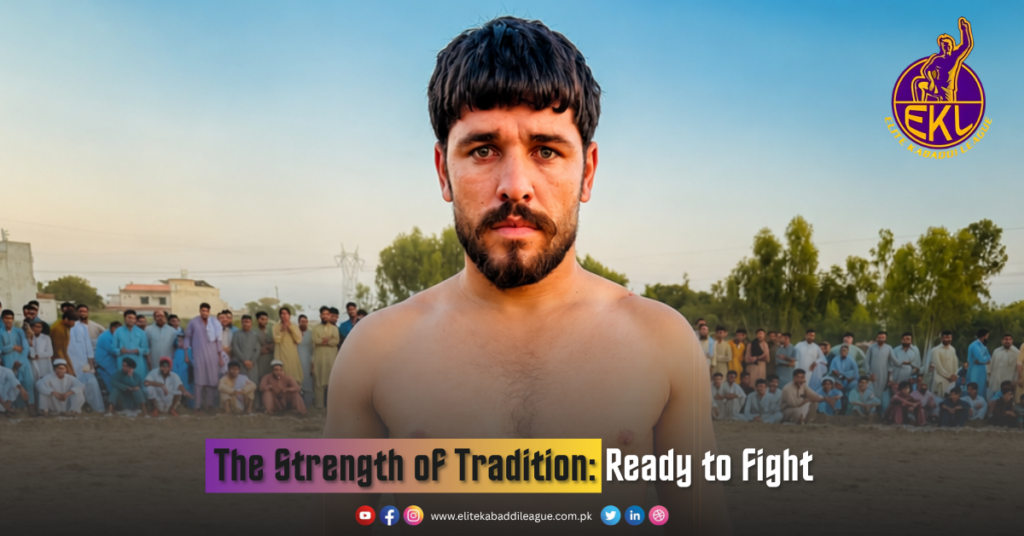
The image accompanying this story captures that spirit perfectly: a wrestler standing confidently in a sandy arena while spectators gather around the competition ground. His focused expression and athletic presence reflect the dedication required to participate in one of South Asia’s oldest sporting traditions.
Wrestling: A Sport Built on Strength and Discipline
Traditional wrestling, commonly associated with Kushti, has deep cultural roots in the region. Unlike many modern sports that depend heavily on specialized facilities and equipment, traditional wrestling places the athlete at the heart of the competition.
Strength is important, but success requires much more than physical power. Wrestlers develop endurance, balance, agility, technique, mental toughness, and discipline through consistent training. Preparing for competition can require years of dedication and a lifestyle centered around fitness and athletic development.
The sandy wrestling arena, or akhara, remains an important symbol of this tradition. It provides a space where athletes can test their abilities while spectators experience the excitement and cultural significance of the sport.
The Power of Community
One of the most distinctive aspects of traditional wrestling is the role played by the community. Local competitions often attract large crowds, with spectators gathering around the arena to support their favorite athletes.
This connection between competitors and spectators gives traditional wrestling a unique atmosphere. Every contest can become a community event, bringing together people of different ages and backgrounds.
For many young athletes, watching experienced wrestlers compete can also provide motivation to pursue sports themselves. Local competitions can therefore contribute to the development of sporting culture and encourage younger generations to remain active.
Courage, Honor and Legacy
Wrestling is often described through three qualities: courage, honor, and perseverance. Athletes enter the arena knowing that victory depends on their preparation and ability to remain focused under pressure.
The sport also carries an important sense of legacy. Wrestling traditions have been passed from one generation to another through families, coaches, local clubs, and sporting communities. Experienced wrestlers can play an important role in teaching younger athletes not only techniques but also the values associated with sportsmanship and respect.
This combination of competition and tradition makes wrestling an important part of the cultural sporting landscape.
Preserving Traditional Sports in the Modern Era
Modern sports such as cricket, football, hockey, and athletics dominate much of today’s sporting coverage. However, traditional sports continue to have an important place in Pakistan’s sporting identity.
Greater recognition, improved training opportunities, organized competitions, professional coaching, and responsible media coverage can help traditional wrestling reach new audiences. Digital platforms and social media can also provide athletes and local competitions with opportunities to showcase their talent beyond their immediate communities.
Supporting traditional sports does not mean resisting modern sporting development. Instead, it means preserving cultural heritage while creating new opportunities for athletes.
A New Generation of Wrestlers
The future of traditional wrestling depends heavily on young athletes. With access to proper training, nutrition, qualified coaching, injury prevention, and organized competitions, aspiring wrestlers can develop their abilities while maintaining the traditions that make the sport unique.
Schools, sports organizations, local clubs, and community leaders can all contribute by encouraging participation and creating safe, structured environments for athletes.
The next generation can combine traditional wrestling techniques with modern sports science, strength and conditioning, recovery methods, and professional training standards. This approach could help traditional wrestling evolve while preserving its cultural character.
The Meaning Behind the Image
The featured image is more than a portrait of an athlete. It represents the determination of a competitor preparing to step into the arena, surrounded by a community that has gathered to witness the contest.
His stance conveys confidence, while the spectators in the background highlight the communal nature of traditional wrestling. Together, these elements tell a broader story about athletic ambition, cultural heritage, and the enduring appeal of competition.
Ready to Fight, Ready to Represent Tradition
“The Strength of Tradition: Ready to Fight” is ultimately a story about more than winning or losing. It is about the discipline required to become an athlete, the courage to compete, and the responsibility of carrying a sporting tradition forward.
Traditional wrestling continues to symbolize resilience and determination. As new generations discover the sport, its legacy can continue to grow—connecting the past with the future and reminding us that some sporting traditions are powerful precisely because they remain rooted in community, culture, and passion.
SEO Keywords
traditional wrestling Pakistan, Kushti Pakistan, Pakistani wrestling, traditional sports Pakistan, wrestling culture, Kushti competition, Pakistani wrestlers, traditional wrestling arena, Akhara wrestling, Pakistan sports heritage, wrestling athletes, local wrestling competition
Suggested Meta Description
Discover the strength of traditional wrestling in Pakistan, exploring Kushti, athletic discipline, community spirit, sporting heritage, and the enduring legacy of Pakistani wrestling.